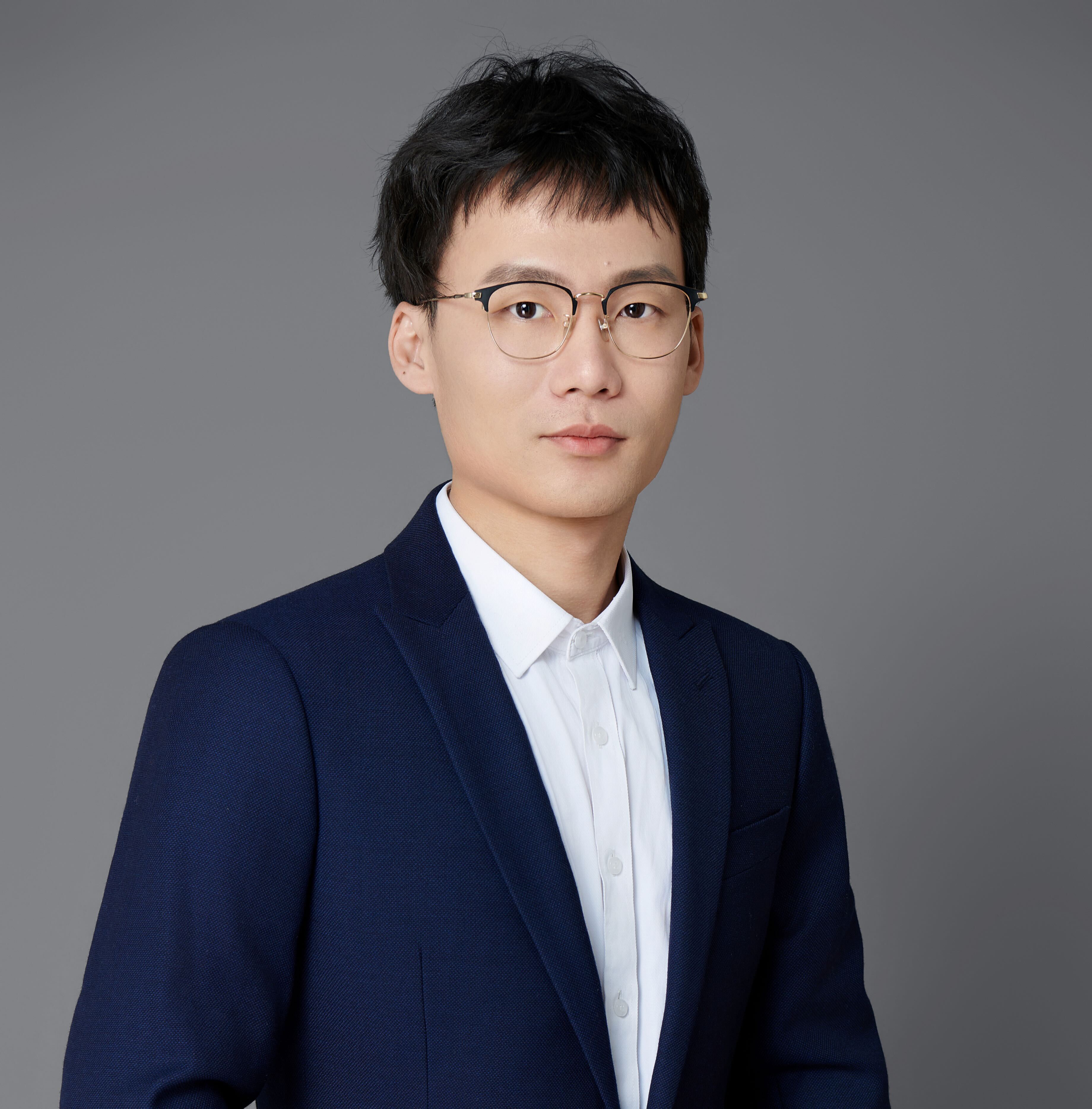
About me
My career in computational biology is defined by the development of novel algorithmic frameworks that address fundamental challenges in analyzing high-throughput omics data. With interdisciplinary expertise spanning statistical modeling and genomic engineering, I have consistently translated high-dimensional, complex datasets into actionable biological insights.
During my doctoral studies, I invented novel algorithms to resolve the technical bottleneck of estimating absolute abundance from sequencing data. I demonstrated, for the first time, that absolute abundances can be recovered from relative data using the statistical algorithms BEEM and BEEM-Static. These tools allow the field to fit ecological models to longitudinal data, unlocking a deeper understanding of the dynamic nature and seasonality of gut microbes. Beyond theoretical algorithms, I am committed to rigorous workflow development for emerging technologies. When Nanopore sequencing was introduced, I co-developed INC-Seq, a method that utilizes multiple passes of a single read to reduce error rates from >30% to <5%. I built the downstream analysis pipeline to extract tandem repeats and generate accurate consensus reads from this noisy data. Furthermore, applying my expertise to public health needs during the 2019 pandemic, I helped establish a cloud-based genomic surveillance pipeline for a Singaporean hospital, enabling real-time sequencing and analysis of SARS-CoV-2 viral evolution.
Since joining the Xavier Lab in 2020, I have focused on decoding the spatial organization of the host-microbiome interface. To analyze spatial transcriptomics data generated from “Swiss-rolled” intestine tissues, I engineered a graph-based workflow to computationally “unroll” the data to recover warped longitudinal axes. Inspired by dynamic time warping algorithms used in time-series analysis, I also developed a method to align data across different biological replicates. These techniques enabled us to chart the most comprehensive spatial transcriptomics atlas of the mouse intestine to date.
These technical advances have directly facilitated novel scientific discoveries with significant clinical implications. Working with Dr. Toufic Mayassi, my spatial analysis revealed a novel, microbiome-triggered axis between Group 2 innate lymphoid cells (ILC2s) and goblet cells in a spatially constrained region of the mid-colon. Most recently, I led the discovery of the cholesterol-metabolizing bacterium Oscillibacter by integrating multi-source data. I established that this bacterium is linked to improved cardiovascular health and possesses the potential to lower intestinal cholesterol levels. This work provides the foundation for developing Oscillibacter as a next-generation probiotic to reduce blood lipids and improve cardiovascular outcomes.